
How to choose a care home
Choosing a care home for a parent, partner or close relative is one of the hardest decisions many families ever face. It often comes at a stressful time, and it can feel like there is a great deal riding on getting it right. The good news is that you do not have to make the decision alone, and you do not have to get everything perfect on the first visit. This guide walks you through the things that matter most, the questions worth asking, and the small signs that tell you whether a home is a happy place to live.
Start with the person, not the building
A smart, modern building is lovely, but it is not what makes someone feel at home. Before you look at any home, it helps to think about the person who will be living there. What does a good day look like for them? Do they like company, or do they value their own space? Are they an early riser, a keen gardener, or a tea-at-four sort of person?
A good care home should fit around the resident, not the other way round. When you visit, ask whether residents can choose their own routine, such as when they get up, what they wear, and how they spend their day. Ask whether they can bring their own furniture and belongings to make a room feel familiar. The more a home is willing to personalise things, the more likely your relative is to settle and feel happy there.
Trust your first impressions
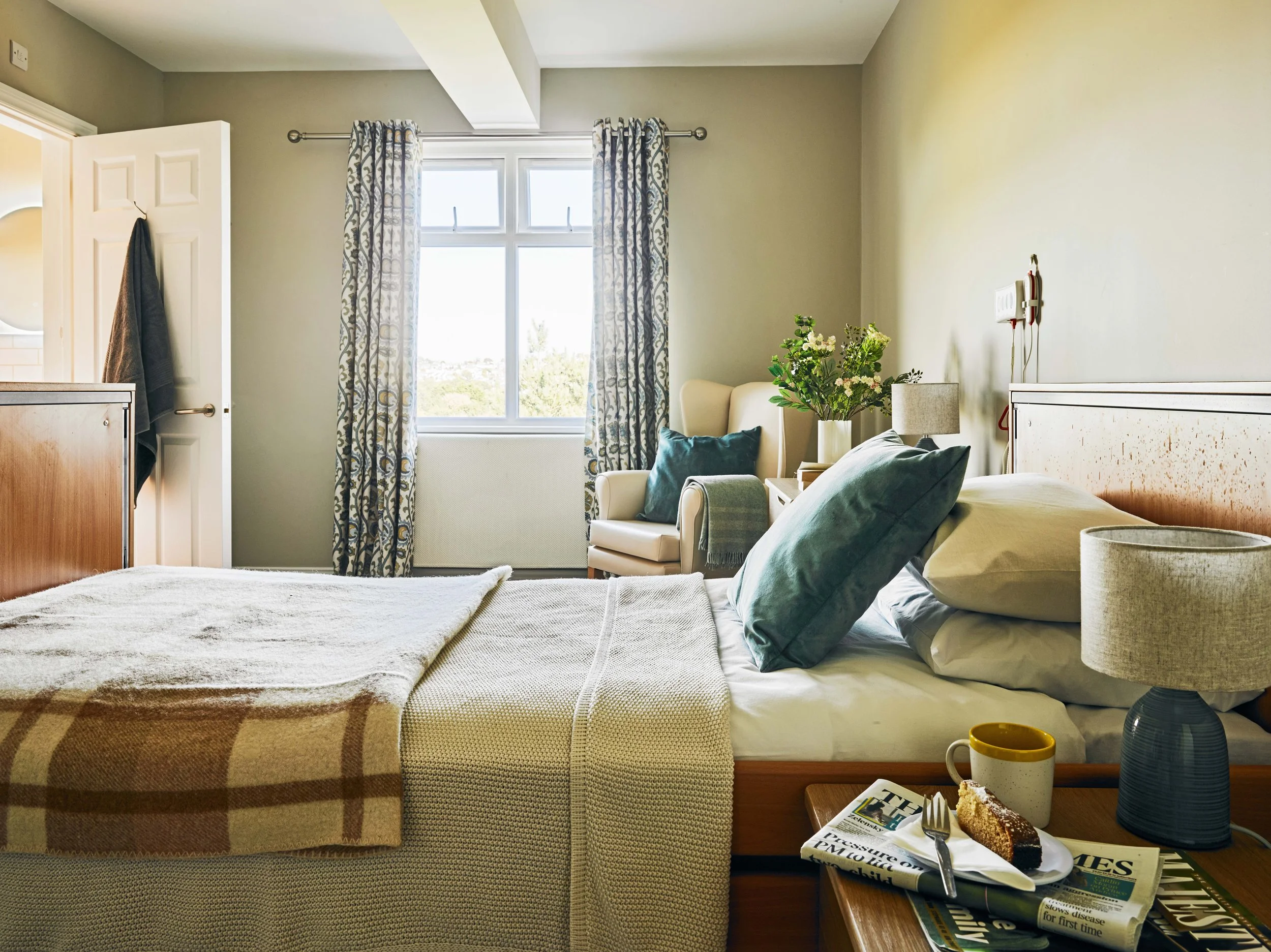
Your instincts on a first visit are worth listening to. Age UK suggests paying attention to some simple things: is the home clean and does it smell fresh, are the rooms a comfortable temperature, are the buildings and gardens well looked after, and do the staff seem genuinely welcoming?
Watch how staff speak to the people who already live there. Do they know residents by name? Do they stop to chat, or are they rushing past? A warm, relaxed atmosphere is hard to fake, and it tells you a great deal about daily life in the home.
Look closely at the quality of care
This is the part many families worry about most, and rightly so. There are a few practical ways to check.
First, look up the home's official inspection. In England, the Care Quality Commission (CQC) inspects every care home and gives one of four ratings: Outstanding, Good, Requires improvement, or Inadequate. You can read the full report free on the CQC website, and you can also ask the home for its most recent report. As an example, Somerforde holds a Good rating from the CQC.
The NHS also lists some clear signs of a good care home, including staff with the right skills and experience, clean rooms and bathrooms, fast access to health professionals such as GPs and dentists, and a home that asks residents for feedback and acts on it.
When you visit, it is worth asking:
• Will my relative have a named member of staff responsible for their care?
• Are families involved in decisions about care?
• If their needs change in future, can the home still look after them?
• How will the home let me know if my relative becomes unwell?
Ask about the food
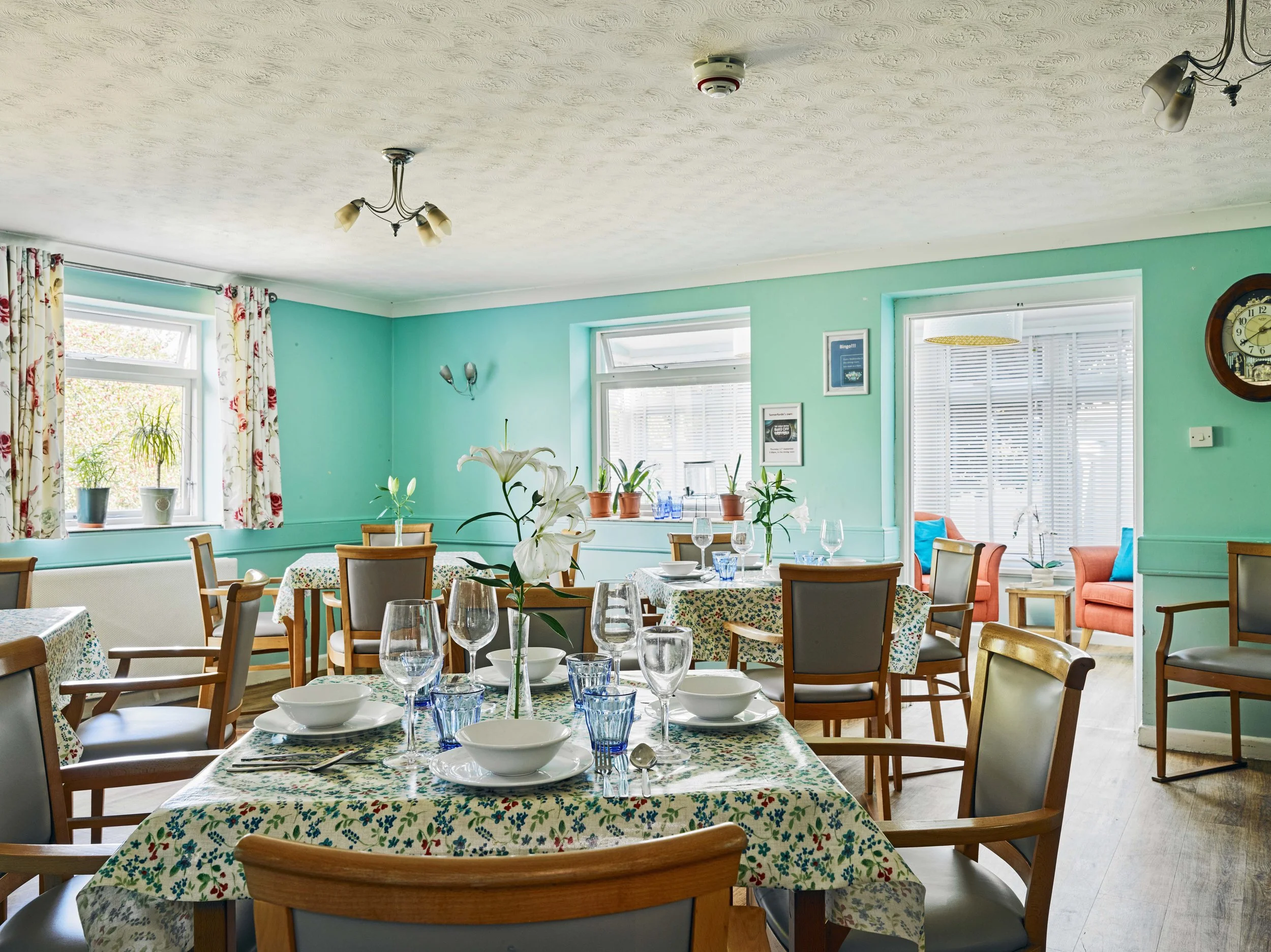
Food matters more than people often expect. It is one of the daily pleasures of life, and mealtimes are frequently the social high points of the day.
Ask to see a sample menu, and ask how often it changes. Find out whether food is freshly prepared on site, whether there is a real choice at each meal, and whether snacks and drinks are available through the day. If your relative has particular tastes, allergies or dietary needs, check that the home can meet them. It is also worth asking whether residents can choose to eat together in the dining room or have a meal in their own room when they prefer. If you can, try to visit around a mealtime so you can see the food and the atmosphere for yourself.
Picture an ordinary day
Beyond care and meals, think about what fills the hours. A good home helps people stay active and do as much as they can for themselves. Ask whether there is an activities coordinator, what sort of activities run during the week, and whether there are outings. Look at whether residents seem occupied and content, or whether the television is simply on in the background.
Also ask the practical questions about staying connected: are there any restrictions on visiting times, is there a comfortable space to sit with visitors, and can family join for a meal or a special occasion? Being close to family and familiar places is one of the things that helps people feel settled.
Always visit in person, and more than once
You can absolutely arrange a tour, and you should. Reading a brochure or website is a useful start, but nothing replaces walking through the door. Both the NHS and Age UK recommend visiting in person before you decide, and there is no rule against visiting more than once or at different times of day. A weekday afternoon and a weekend morning can feel like two different places.
Before you visit, it helps to phone or email the home, check they offer the level of care your relative needs now and might need in future, and ask whether they have a place available. Many homes will also let you arrange a short trial stay, which can be the best way of all to know whether somewhere feels right.
Get the practical details in writing
Once you have found a home you like, make sure the practical side is clear before anyone signs anything. Ask to see the contract and the terms and conditions. Check exactly what the fees include and what costs extra, whether fees are reviewed each year, and what happens to the room if your relative needs to go into hospital for a while. Knowing all of this up front saves stress later, and a good home will be happy to explain it plainly.
How we can help at Somerforde
Somerforde is a residential care home in Newton Abbot, Devon, with room for 32 residents and a Good rating from the Care Quality Commission. We know how much thought goes into this decision, and we would far rather you came and saw the home for yourself than took our word for it.
You are welcome to arrange a visit, look around, meet the team, and ask us anything from this guide. We are happy to talk through the level of care we provide and answer your questions honestly.
To arrange a visit or have a chat, call us on 01626 361786 or email manager@somerforde.uk.
Further reading
For more independent advice, these two guides are an excellent place to start:
• Age UK: Choosing the right care home for you (includes a free printable checklist to take on visits)